
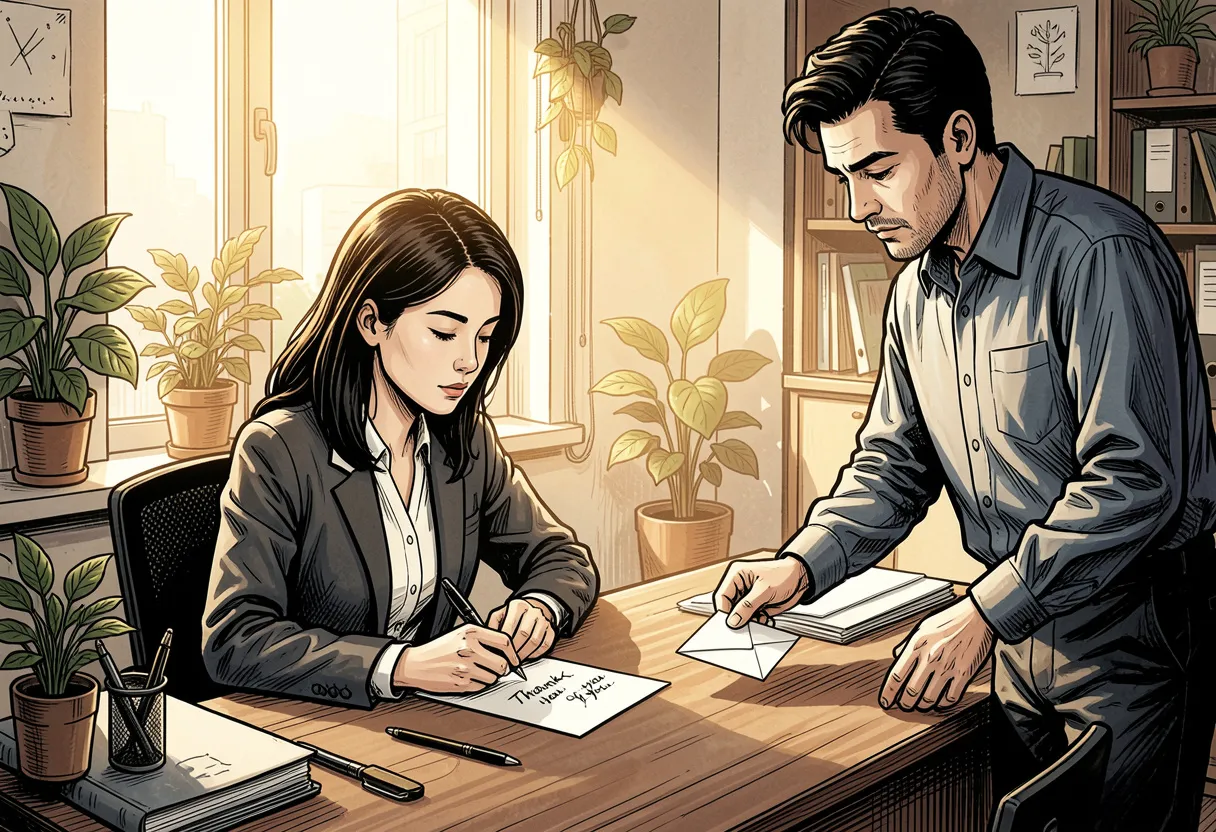
Receiving a bonus feels great, but expressing gratitude carries even more weight than most people realize. Research shows that 85% of professionals want to hear “thank you” in everyday workplace interactions, which highlights how powerful simple appreciation can be. That statistic alone reveals something important: people don’t just value money; they value recognition. A bonus might land in your account, but your response shapes how your employer perceives your attitude, professionalism, and emotional intelligence.
Think of gratitude like a ripple in water. One thoughtful message doesn’t just end with your boss reading it; it creates a positive loop of trust, respect, and motivation. Employees who express appreciation often stand out as more engaged and reliable, even if their performance is identical to others. It’s not about flattery; it’s about acknowledging that someone noticed your effort and chose to reward it.
Ignoring a bonus or responding with silence can unintentionally send the wrong signal. It may come across as entitlement or lack of enthusiasm. On the flip side, a well-written thank you message reinforces your value and keeps the relationship strong. In a workplace where recognition is sometimes rare, your response becomes part of your professional identity.
How Appreciation Strengthens Professional Relationships
Gratitude acts like social glue in professional settings. When you thank your boss or company for a bonus, you’re doing more than being polite; you’re reinforcing a connection. Studies indicate that 52% of employees feel appreciated when they receive a bonus, but pairing that reward with verbal appreciation makes the effect even stronger.
A thoughtful message builds credibility. It shows that you understand the importance of acknowledgment, not just compensation. Managers often remember employees who express appreciation clearly and respectfully. This doesn’t mean you need to write a novel; just a meaningful message that reflects your personality and professionalism.
Picture this like a handshake after closing a deal. The bonus is the deal; your thank you is the handshake that leaves a lasting impression. Without it, the interaction feels incomplete. With it, the relationship moves forward with mutual respect and clarity.
Key Elements Of A Great Thank You Message
Keep It Genuine And Specific
A generic “thanks for the bonus” message feels flat. The real difference comes from specificity. Mention what the bonus means to you or what you appreciate about the recognition. This adds depth and shows that you’re not just going through the motions.
For example, instead of saying, “Thank you for the bonus,” you might say, “I truly appreciate the recognition for my work on the recent project.” That one extra detail transforms your message from routine to meaningful. People remember sincerity, not templates.
Being genuine also means avoiding exaggerated language. You don’t need dramatic phrases to make an impact. Simple, honest words often carry more weight than overly polished corporate jargon. Think of it like speaking directly to a person rather than writing for a crowd.
Maintain A Professional Tone
While sincerity matters, professionalism keeps your message appropriate. Balance is everything. You can be warm without being casual, and appreciative without sounding overly emotional. This is especially important in formal workplace environments where tone reflects your communication skills.
Use clear, respectful language. Avoid slang or overly informal expressions. At the same time, don’t sound robotic. Imagine you’re speaking in a calm, confident voice; that’s the tone your message should reflect.
A professional thank you message should also stay concise. Long paragraphs can dilute your message, while a focused response keeps it impactful. Think of it as a well-aimed arrow rather than a scattered shot.
Short Thank You Message For A Bonus
Simple One-Line Examples
Sometimes, less truly is more. A short message can be just as powerful as a long one when written correctly. Here are a few examples:
- Thank you for the bonus; I truly appreciate the recognition.
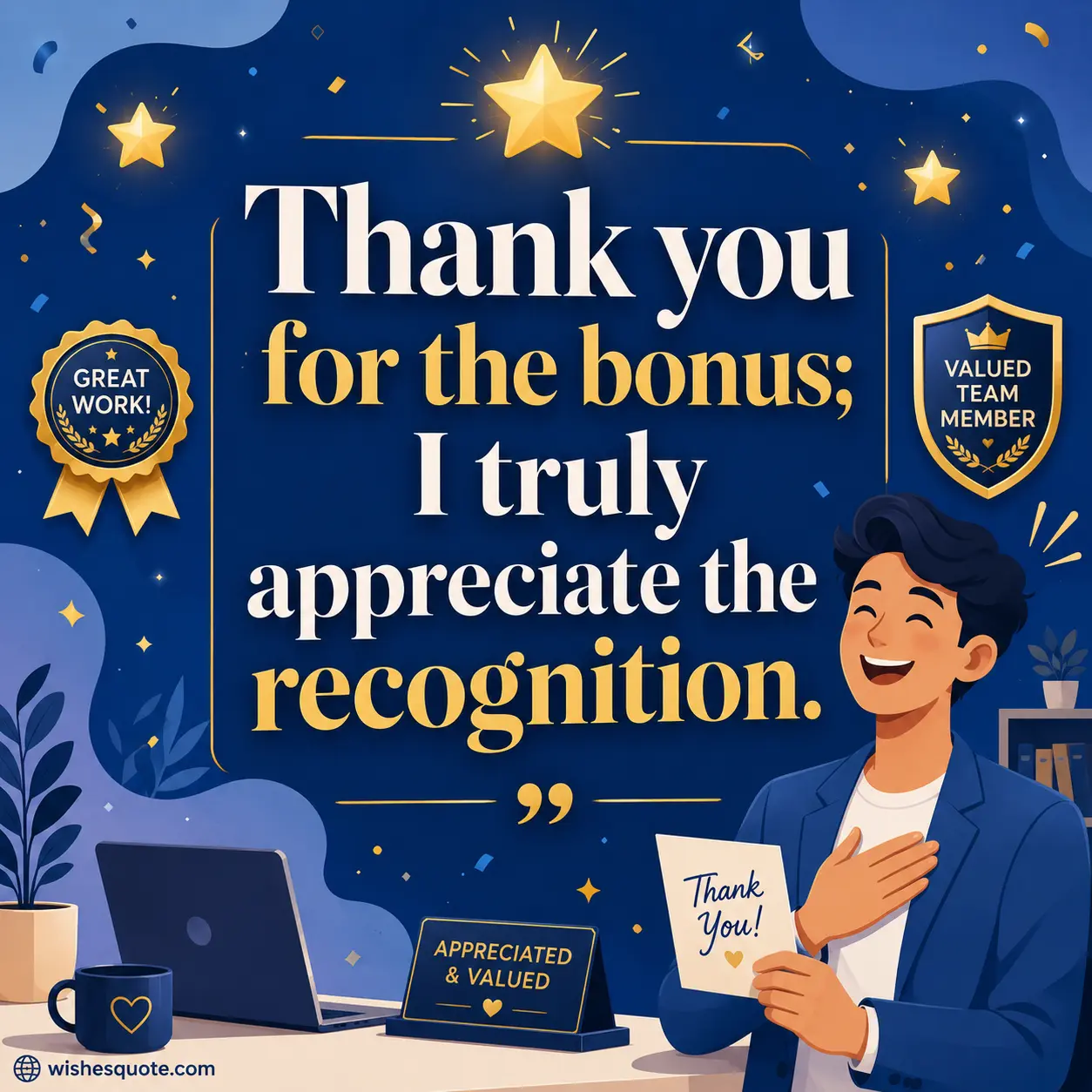
- I’m grateful for the bonus and the acknowledgment of my work.
- Thank you for your generosity and support.

These messages work because they’re direct, clear, and sincere. They don’t try too hard, and that’s exactly why they feel authentic.
When To Use Short Messages
Short messages are ideal in fast-paced environments or when you’re expressing thanks in person, through chat, or via a quick email reply. They’re also useful when you’ve already had a verbal conversation and want to follow up with a brief written note.
Think of short messages like a firm nod; they’re simple, but they still communicate respect and appreciation. The key is making sure they don’t feel rushed. Even one sentence can carry meaning if it’s written thoughtfully.
Professional Thank You For A Bonus Message
Formal Email Examples
A professional email works best when you want to leave a strong impression. Here’s an example:
“Dear [Manager’s Name],
I would like to express my sincere appreciation for the bonus. It means a great deal to have my contributions recognized. I’m grateful for your support and look forward to continuing to contribute to the team’s success.”
This type of message strikes a balance between gratitude and professionalism. It acknowledges the bonus while reinforcing your commitment to your role.
Polished Workplace Language Tips
Professional messages benefit from clarity and structure. Start with gratitude, mention the recognition, and end with a forward-looking statement. This creates a natural flow that feels complete and purposeful.
Avoid overcomplicating your language. You don’t need fancy words to sound professional. Clear, confident sentences always outperform overly complex phrasing. Think of it like wearing a well-tailored suit; it doesn’t need to be flashy to stand out.
Heartfelt Thank You For A Bonus Message
Adding Emotion Without Overdoing It
A heartfelt message adds warmth without losing professionalism. It’s about expressing genuine appreciation while staying appropriate for the workplace. You can mention what the bonus means to you personally, but keep it balanced.
For example:
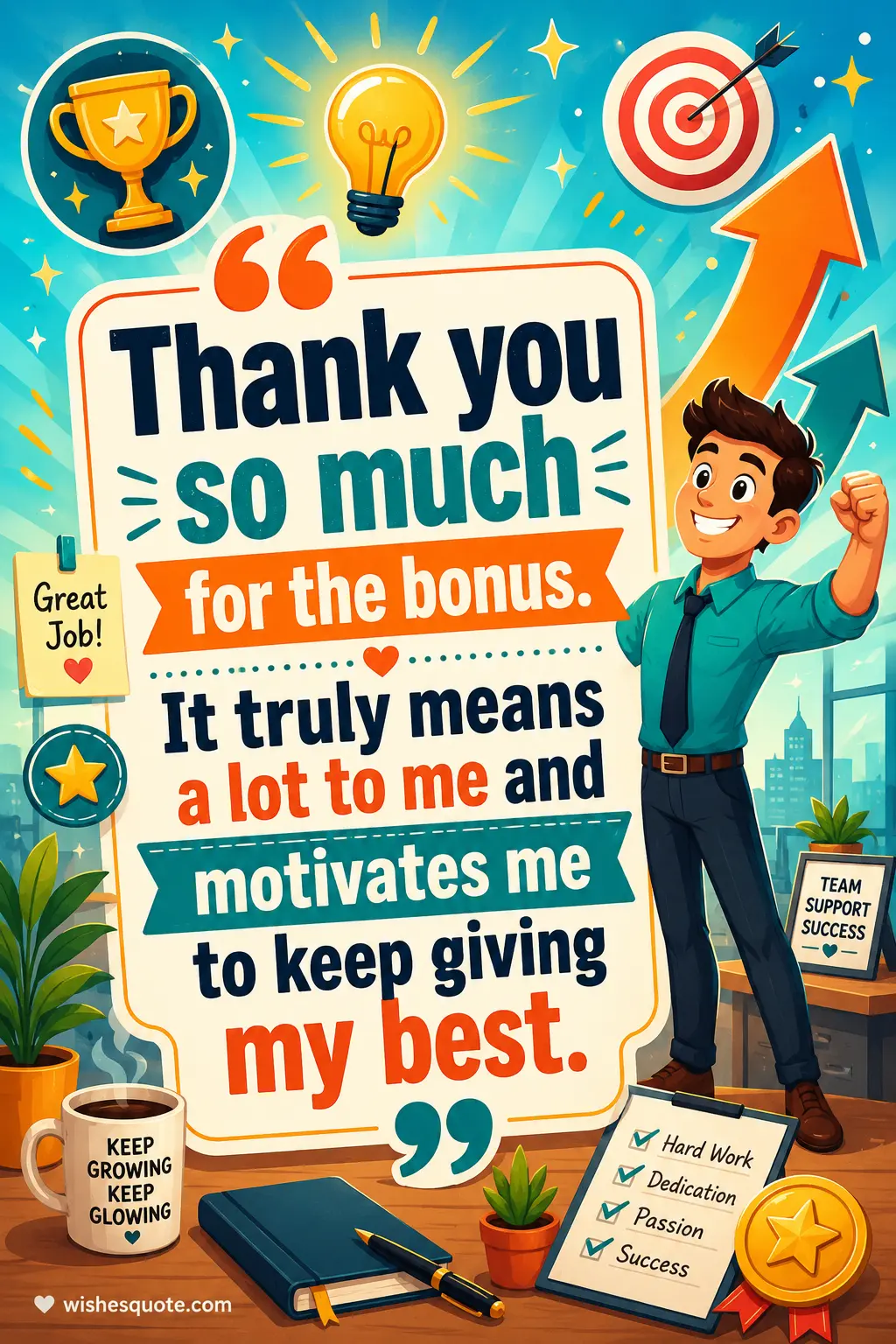
- Thank you so much for the bonus. It truly means a lot to me and motivates me to keep giving my best.
This kind of message feels human and relatable without becoming too personal.
Personal Touch Examples
Adding a personal note can make your message memorable. Mention a project, a milestone, or a specific effort that led to the bonus. This shows awareness and appreciation for the context behind the reward.
Think of it like adding seasoning to a dish; just enough enhances the flavor, but too much can overwhelm it. The goal is to create a message that feels genuine and thoughtful.
Thank You Message For A Bonus From Boss
Showing Respect And Gratitude
When thanking your boss, respect is essential. Acknowledge their role in recognizing your efforts. This doesn’t mean excessive praise; it simply means being mindful of their position.
Example:
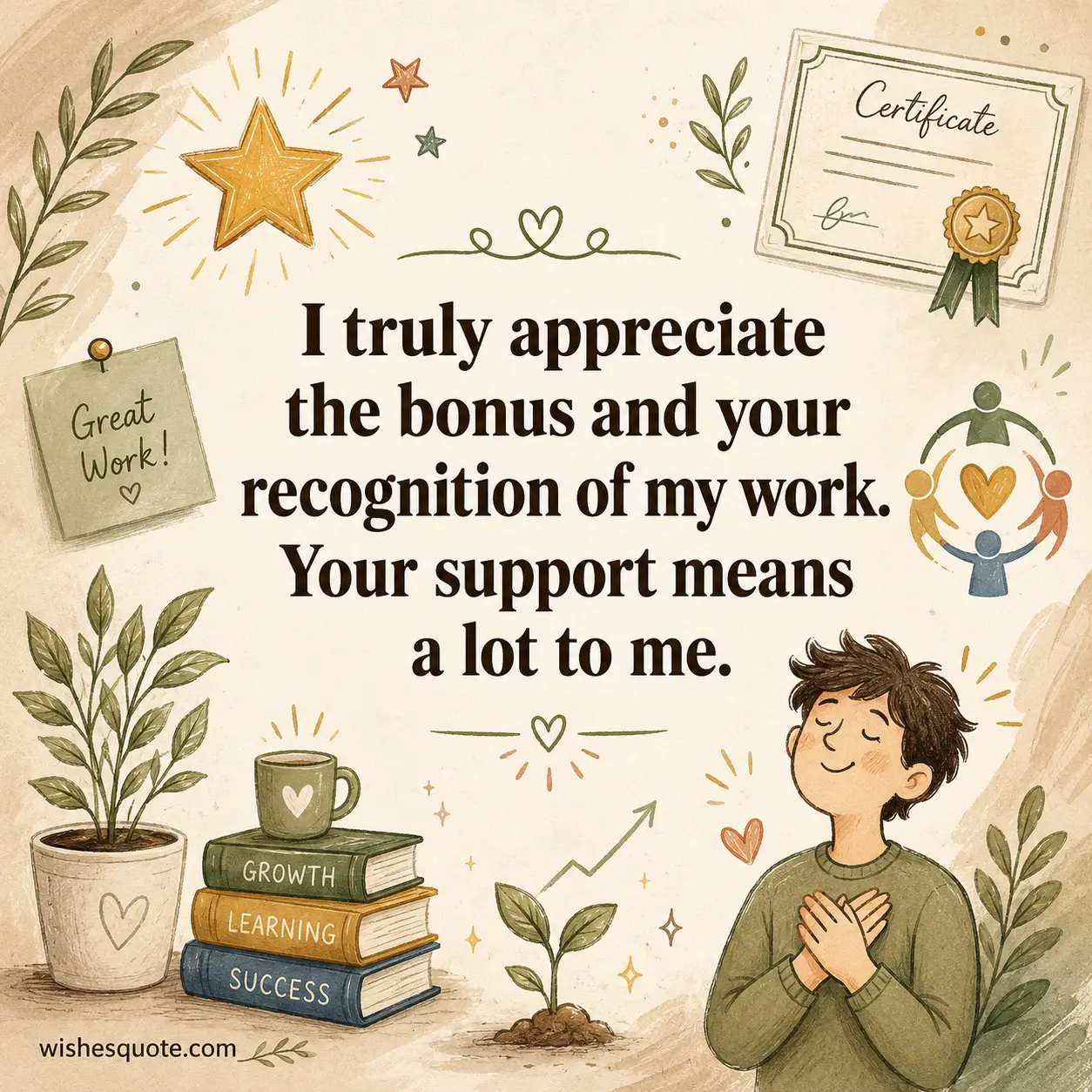
- I truly appreciate the bonus and your recognition of my work. Your support means a lot to me.
Acknowledging Leadership Support
Recognizing your boss’s leadership can strengthen your professional relationship. It shows that you value their guidance and trust. This kind of message leaves a lasting impression and reinforces mutual respect.
Thank You Email For A Bonus At Work
Email Structure Breakdown
A strong thank you email typically includes:
- A clear subject line
- A direct opening expressing gratitude
- A sentence acknowledging the bonus
- A closing statement about future commitment
This structure keeps your message organized and easy to read.
Subject Line Ideas
- Thank You for the Bonus
- Appreciation for the Bonus and Recognition
- Grateful for Your Support
How To Say Thank You For A Bonus To Boss
In-Person Vs Written Thanks
Both methods have value. Saying thank you in person adds a human touch, while a written message provides a lasting record. Ideally, combine both. A quick verbal thank you followed by an email creates a complete and thoughtful response.
Timing And Delivery Tips
Timing matters. Send your message soon after receiving the bonus. Delayed gratitude can feel less genuine. Think of it like replying to a compliment; waiting too long makes the moment fade.
Thank You Message For A Bonus And Recognition
Combining Gratitude With Motivation
A bonus often comes with recognition, and your message should reflect both. Acknowledge the reward while expressing motivation to continue performing well.
Example:
“Thank you for the bonus and for recognizing my efforts. It motivates me to keep striving for excellence.”
Reinforcing Future Commitment
Ending your message with a forward-looking statement shows ambition and professionalism. It signals that you’re not just grateful; you’re ready to keep delivering results.
Common Mistakes To Avoid
Even good intentions can go wrong if your message misses the mark. Avoid being too vague, overly long, or excessively emotional. Keep your message focused and sincere.
Another mistake is ignoring the context of the bonus. If it’s tied to a specific achievement, mention it. This shows awareness and appreciation for the recognition itself, not just the reward.
Conclusion
Saying thank you for a bonus isn’t just a polite gesture; it’s a strategic move that strengthens your professional image. A well-crafted message shows gratitude, reinforces relationships, and highlights your awareness of workplace dynamics. Whether you choose a short note, a professional email, or a heartfelt message, the goal remains the same: communicate appreciation clearly and sincerely.
When done right, your thank you message becomes more than words. It becomes part of your reputation; something that managers remember and respect. And in a workplace where recognition truly matters, that can make all the difference.
Worth Reading: Gentle Advice On How To Tell Your Child About Divorce
FAQs
1. Should I always say thank you for a bonus?
Yes, expressing gratitude is essential. It reflects professionalism and appreciation for recognition.
2. Is email better than saying thank you in person?
Both are valuable. Combining them creates the strongest impression.
3. How long should a thank you message be?
Keep it concise but meaningful; usually a few sentences are enough.
4. Can I be casual in my thank you message?
It depends on your workplace culture, but maintaining professionalism is always safe.
5. What if the bonus is small?
Always express gratitude. The message reflects your attitude, not the amount.

Callen Virelli is a seasoned American content writer based in Spokane, Washington, known for crafting engaging and insightful articles that resonate with modern audiences. With over a decade of experience in digital publishing, Callen specializes in lifestyle, motivation, and meaningful messaging, contributing regularly to wishesquote.com. His writing blends clarity with authenticity, helping readers find the right words for every occasion while maintaining a strong focus on trust, relevance, and user value.