
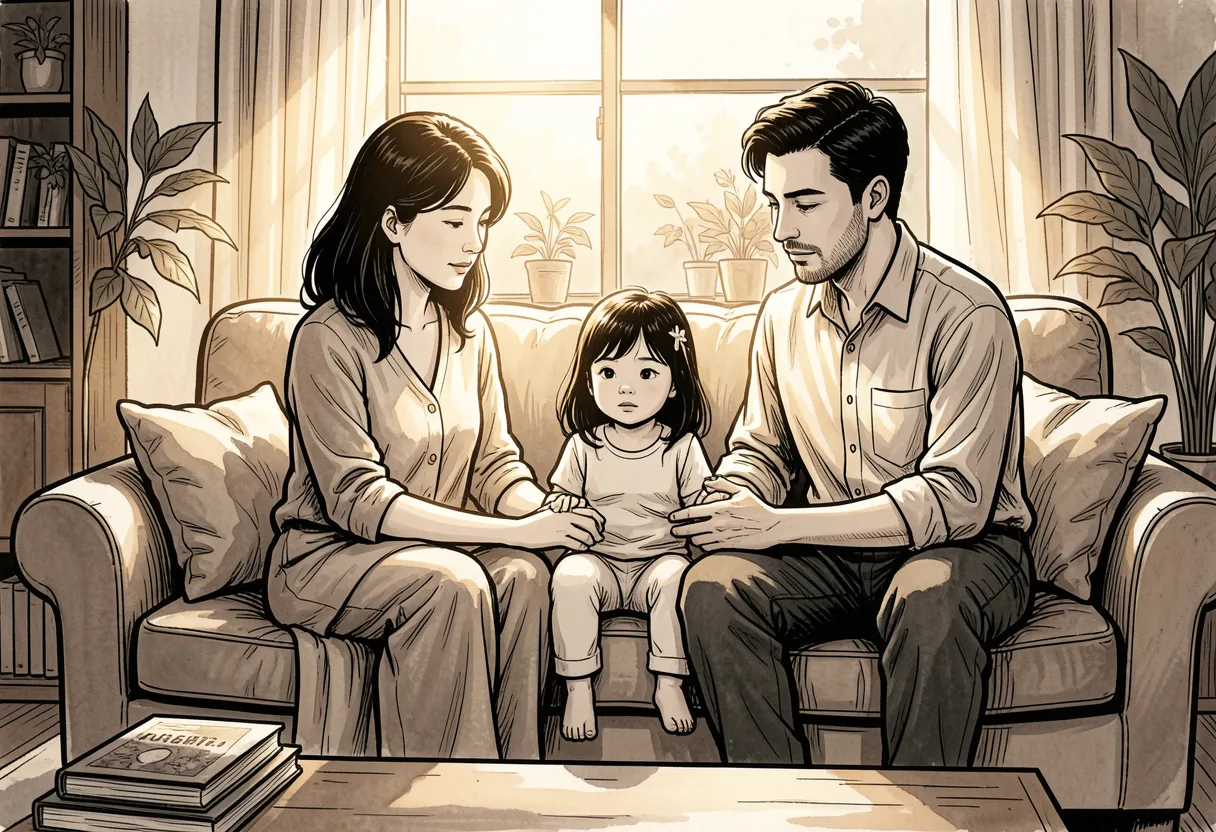
Telling your child about divorce is not just a conversation; it’s a moment that can shape how they process relationships, trust, and emotional security for years to come. Children don’t see divorce the same way adults do. For them, it can feel like the ground beneath their feet is shifting without warning. Even in homes where tension has been present, kids often hold onto hope that things will somehow “go back to normal.” That’s why the way you communicate this change matters deeply.
Children may respond with confusion, sadness, anger, or even silence. Some might blame themselves, thinking their behavior caused the separation. Others may feel anxious about what will happen next; where they’ll live, who they’ll stay with, and whether both parents will still be part of their daily life. These emotional reactions are completely natural, but they can intensify if the message isn’t delivered thoughtfully.
The Long-Term Effect of Honest Communication
Honesty, paired with reassurance, builds a sense of safety even during uncertainty. When you speak openly; without overwhelming your child; you help them process reality instead of filling gaps with fear or imagination. Kids are incredibly perceptive; they can sense when something is off. Avoiding the conversation or sugarcoating it too much can lead to mistrust.
Clear communication also sets the tone for how your child will handle challenges later in life. If they feel respected and included in this moment, they’re more likely to develop resilience. Think of it like planting a seed; your words now influence how they grow emotionally in the future.
Preparing Yourself Before Talking to Your Child
Managing Your Emotions First
Before sitting down with your child, it’s essential to get a handle on your own emotions. That doesn’t mean suppressing them; it means being aware enough not to let them take over the conversation. If you’re overwhelmed, angry, or deeply hurt, those feelings can unintentionally spill over and confuse your child.
Take time to process your thoughts. Write them down if needed. Practice what you want to say. When you feel calmer, you’ll be able to speak with clarity and compassion. Your child doesn’t need to carry the emotional weight of the situation; they need stability.
Aligning With Your Co-Parent
If possible, both parents should present a united front during this conversation. Even if the relationship is strained, showing cooperation reassures your child that they are still supported by both sides. Agree on the key points beforehand; what you’ll say, how you’ll say it, and what questions you’ll answer.
Mixed messages can create confusion and anxiety. Consistency, on the other hand, provides comfort. It signals that while the relationship between parents is changing, the commitment to the child remains unchanged.
Best Way To Tell Your Child About Divorce
Choosing the Right Time and Place
Timing plays a huge role in how your message is received. Pick a quiet, familiar setting where your child feels safe; like home. Avoid moments when they’re tired, stressed, or distracted. This conversation deserves full attention.
Make sure there’s enough time afterward for questions and emotional reactions. Don’t rush it. Kids often need space to process, and they may circle back with questions later. Being available matters just as much as the initial talk.
What You Should Say and Avoid Saying
Use simple, direct language. You don’t need to go into adult-level details. A statement like, “We’ve decided we can’t live together anymore, but we both love you very much,” keeps the focus where it belongs; on the child’s emotional security.
Avoid blaming language. Phrases like “your mom did this” or “your dad caused this” can create internal conflict for the child. They love both parents, and being forced to take sides can be deeply distressing. Keep the explanation neutral and focused on the decision rather than the conflict.
How To Explain Divorce To A Child
Keeping Language Simple and Clear
Children don’t need complex explanations; they need clarity. Think of it like translating a complicated idea into something they can grasp without confusion. Instead of discussing relationship breakdowns, focus on what changes and what stays the same.
For example, you might say, “We won’t live in the same house anymore, but we will both take care of you.” This kind of explanation gives them a clear picture without overwhelming them.
Reassuring Them About Stability
One of the biggest fears children face during divorce is losing stability. Will they still go to the same school? Will they still see their friends? Will both parents still be there for them?
Address these concerns proactively. Talk about routines, living arrangements, and how both parents will stay involved. The more predictable things feel, the safer your child will feel.
How To Tell Your Young Child About Divorce
Ages 3–6: What They Understand
Young children live in a world of routines and immediate experiences. They don’t fully grasp long-term consequences, but they are highly sensitive to changes in their environment. For them, divorce can feel like sudden disruption.
At this age, children may believe they caused the separation. That’s why reassurance is critical. Repeat often that the divorce is not their fault. You might feel like you’re saying it too much; but repetition builds comfort.
Practical Examples for Younger Kids
Use simple, concrete examples. Instead of abstract explanations, describe what will happen in their daily life. “You’ll stay with mom during the week and visit dad on weekends” is much easier for them to understand than general statements.
Keep routines as consistent as possible. Familiar patterns act like an anchor during emotional storms. Bedtime stories, meals, and playtime routines should remain steady whenever possible.
How To Tell Your Older Child About Divorce
Ages 7–12: Deeper Awareness
Children in this age group begin to grasp more complex emotions and situations. They may ask deeper questions and seek logical explanations. Be honest, but still keep boundaries around adult issues.
They might feel anger or even try to “fix” the situation. Let them express their feelings without trying to correct or dismiss them. Listening is more powerful than trying to provide all the answers.
Teenagers: Handling Strong Emotions
Teenagers often react more intensely. They may feel betrayed, frustrated, or withdrawn. At this stage, they are forming their own views on relationships, so divorce can challenge their beliefs.
Respect their need for space, but don’t disengage. Keep communication open. Let them know their feelings are valid, even if they’re expressed in ways that seem difficult. This balance between space and support is essential.
Gentle Ways To Tell Your Child About Divorce
Using Empathy and Validation
Empathy changes everything. Instead of focusing only on delivering the message, focus on how your child feels receiving it. Statements like “I know this might feel confusing or upsetting” show that you’re tuned into their emotions.
Validation doesn’t mean agreeing with everything; it means acknowledging their experience. This helps children feel seen and heard, which reduces emotional distress.
Avoiding Blame and Conflict
Even subtle negativity toward the other parent can leave a lasting impression. Children often internalize these conflicts, feeling like they are part of the problem.
Keep the focus on moving forward rather than revisiting past issues. Your child doesn’t need to carry that burden. They need a sense of peace, even in the middle of change.
How To Tell Your Son About Divorce
Addressing Emotional Expression in Boys
Boys are often taught; directly or indirectly; to suppress emotions. During a divorce, this can lead to bottled-up feelings that surface later in unhealthy ways.
Encourage open expression. Let him know it’s okay to feel sad, angry, or confused. Create a space where he doesn’t feel judged for his emotions. This builds emotional strength, not weakness.
Encouraging Healthy Coping
Offer practical outlets like sports, hobbies, or creative activities. These can act as healthy ways to process emotions. Sometimes, boys express feelings more through actions than words; and that’s okay.
The goal isn’t to force conversations but to keep the door open for them.
How To Tell Your Daughter About Divorce
Supporting Emotional Sensitivity
Girls may express emotions more openly, but that doesn’t mean the impact is less intense. They may worry about relationships, family stability, or even their own future.
Reassurance plays a big role here. Remind her that she is loved, valued, and secure. Emotional support should be consistent, not just during the initial conversation.
Reinforcing Security and Self-Worth
Divorce can sometimes make children question their place in the family. Reinforce that she is not losing a parent; she is gaining two homes where she is cared for.
Confidence grows when she feels emotionally safe. Your words and actions shape that sense of security.
How To Tell Kids About Divorce Without Hurting Them
Minimizing Emotional Damage
There’s no way to remove all pain from this situation, but you can reduce its intensity. Honesty, empathy, and consistency are your strongest tools. Avoid sudden changes whenever possible and give your child time to adjust.
Think of it like easing into cold water instead of jumping in; it’s still uncomfortable, but far less shocking.
Building Trust Moving Forward
Trust doesn’t come from one conversation; it’s built over time. Keep your promises. Be present. Listen more than you speak. These small, consistent actions rebuild stability in your child’s world.
Divorce changes the structure of a family, but it doesn’t have to break the emotional connection. With care and intention, you can help your child move through this transition with strength and confidence.
Discover More: Heartfelt Good Luck Wishes For New Job Success
Conclusion
Telling your child about divorce is one of the most delicate conversations you’ll ever have as a parent. It requires honesty without harshness, clarity without overwhelm, and empathy at every step. The goal isn’t perfection; it’s connection. When your child feels secure, heard, and loved, they can adapt to change in ways that may surprise you.
FAQs
1. What is the best age to tell a child about divorce?
There isn’t a perfect age. What matters is timing and communication style. Children should be told as soon as decisions are final, using language appropriate for their age.
2. Should both parents be present during the conversation?
Yes, if possible. A united approach reassures the child and prevents confusion or mixed messages.
3. How do I handle my child blaming themselves?
Reassure them repeatedly that the divorce is not their fault. Children often internalize situations, so consistent reassurance is necessary.
4. What if my child reacts with anger or silence?
Both are normal reactions. Give them space while staying available. Emotional responses vary, and processing takes time.
5. Can divorce affect my child long-term?
It can, but supportive parenting greatly reduces negative effects. Open communication and emotional stability help children adapt in healthy ways.

Callen Virelli is a seasoned American content writer based in Spokane, Washington, known for crafting engaging and insightful articles that resonate with modern audiences. With over a decade of experience in digital publishing, Callen specializes in lifestyle, motivation, and meaningful messaging, contributing regularly to wishesquote.com. His writing blends clarity with authenticity, helping readers find the right words for every occasion while maintaining a strong focus on trust, relevance, and user value.