

Ending a conversation sounds simple on paper, but in reality, it can feel like walking a tightrope between honesty and kindness. Most people hesitate because they don’t want to come across as rude, dismissive, or cold. You might find yourself stuck in a conversation that has long overstayed its welcome, nodding along while mentally planning your escape. That internal conflict is completely normal because humans are wired for connection, and cutting that connection; even temporarily; can feel uncomfortable.
One of the biggest challenges is emotional discomfort. You might worry about hurting the other person’s feelings or damaging the relationship. This fear often leads people to avoid direct communication altogether, choosing vague excuses or even ghosting instead. However, avoiding clarity usually creates more confusion and frustration in the long run. Research and communication experts emphasize that clear but kind communication is actually more respectful than vague politeness.
Another reason it feels hard is timing. Conversations rarely come with a natural “end” sign, so you’re left guessing when it’s appropriate to step away. You may also feel trapped if the other person keeps talking or doesn’t pick up on subtle cues. This is where learning structured techniques becomes essential. Once you understand how to guide a conversation toward a natural close, it becomes much easier; and far less awkward; to step away gracefully.
The Psychology Behind Polite Communication
When it comes to ending conversations, there’s a delicate balance between being polite and being honest. Many people confuse “being nice” with avoiding the truth, but the reality is quite the opposite. Being overly vague or evasive can actually leave the other person confused, wondering what went wrong or whether they did something to offend you. That’s why clarity plays such a crucial role in respectful communication.
Psychologically, humans respond better to clear boundaries delivered with empathy. When you communicate your needs directly; without aggression; you reduce ambiguity and help the other person understand your perspective. Experts often recommend combining honesty with appreciation, sometimes called a “gratitude + boundary” approach. For example, saying “I really enjoyed talking, but I need some time to myself right now” is both clear and considerate.
Boundaries are not barriers; they’re guidelines that protect your emotional well-being. Think of them like fences around a garden; they don’t exist to shut people out, but to preserve what’s inside. When you set boundaries in conversations, you’re not rejecting the person; you’re simply managing your time, energy, and emotional capacity. And when done correctly, this actually strengthens relationships rather than harming them.
Polite Ways To Tell Someone You Do Not Want To Talk Anymore
Politeness doesn’t mean beating around the bush. In fact, the most effective polite exits are the ones that are simple, clear, and respectful. A good strategy is to start with appreciation, then gently signal that you’re ending the conversation. For instance, phrases like “It was really nice talking to you” or “I appreciate your time” create a positive tone before you transition into your exit.
Adding a reason; even a simple one; can make your message feel more natural. It doesn’t have to be elaborate or deeply personal. Something as straightforward as “I need to get back to work” or “I have something I need to take care of” works perfectly. According to communication guides, using clear ending phrases helps avoid confusion and signals closure effectively.
Here’s a quick comparison of polite exit styles:
| Approach | Example | Effect |
|---|---|---|
| Gratitude-Based | “Thanks for the chat, I enjoyed it.” | Leaves a positive impression |
| Time-Based | “I need to head out now.” | Practical and neutral |
| Future-Oriented | “Let’s catch up another time.” | Keeps relationship open |

The key is to avoid over-explaining. Too much detail can make your exit feel forced or insincere. Keep it simple, genuine, and to the point.
Kind Ways To Say You Need Space
Sometimes, you’re not just ending a conversation; you’re creating distance. This requires a softer, more thoughtful approach because the emotional stakes are higher. Instead of abrupt statements, use language that emphasizes your needs without blaming the other person.
For example, saying “I’ve been feeling a bit overwhelmed lately and need some time to myself” shifts the focus to your experience rather than their behavior. This reduces defensiveness and keeps the interaction respectful. It’s a subtle but powerful shift that can make a huge difference in how your message is received.
Gentle phrases often include elements of reassurance. You might say, “It’s not about you; I just need a little space right now.” This kind of wording helps maintain the relationship while still setting a boundary. Communication experts often stress that kindness and clarity can coexist; you don’t have to sacrifice one for the other.
Another important aspect is tone. Even the kindest words can sound harsh if delivered with frustration or impatience. Imagine your tone as the “emotional packaging” of your message; if it’s calm and warm, your words will land much more gently.
Honest Ways To Tell A Friend You Are Done Talking
Honesty becomes especially important when the conversation; or the relationship; has deeper emotional layers. With friends, vague exits can lead to misunderstandings or hurt feelings. If you truly don’t want to continue talking, it’s better to express that clearly, but respectfully.
You don’t need to be brutally blunt. Instead, aim for honest clarity with emotional sensitivity. For example, “I think I need to take a step back from our conversations for a while” communicates your intention without attacking the other person. It’s direct, but not harsh.
Avoid sending mixed signals like saying “We should talk later” when you don’t actually mean it. These kinds of statements might feel easier in the moment, but they often create confusion and prolong the situation. Clear communication, even when uncomfortable, is ultimately more respectful.
Think of honesty as a clean break rather than a slow fade. It might feel harder initially, but it prevents prolonged awkwardness and emotional strain for both sides.
Respectful Ways To End Communication
Respectful communication is all about balance; being firm without being rude, and kind without being misleading. One effective technique is to use short, clear statements that leave little room for misinterpretation. For example, “I’m going to step away from this conversation now” is direct but still polite.
If the other person continues to push for conversation, it’s important to repeat your boundary calmly. Repetition isn’t rude; it’s necessary. Experts recommend using the same wording to reinforce your message without escalating the situation.
Here are a few concise examples:
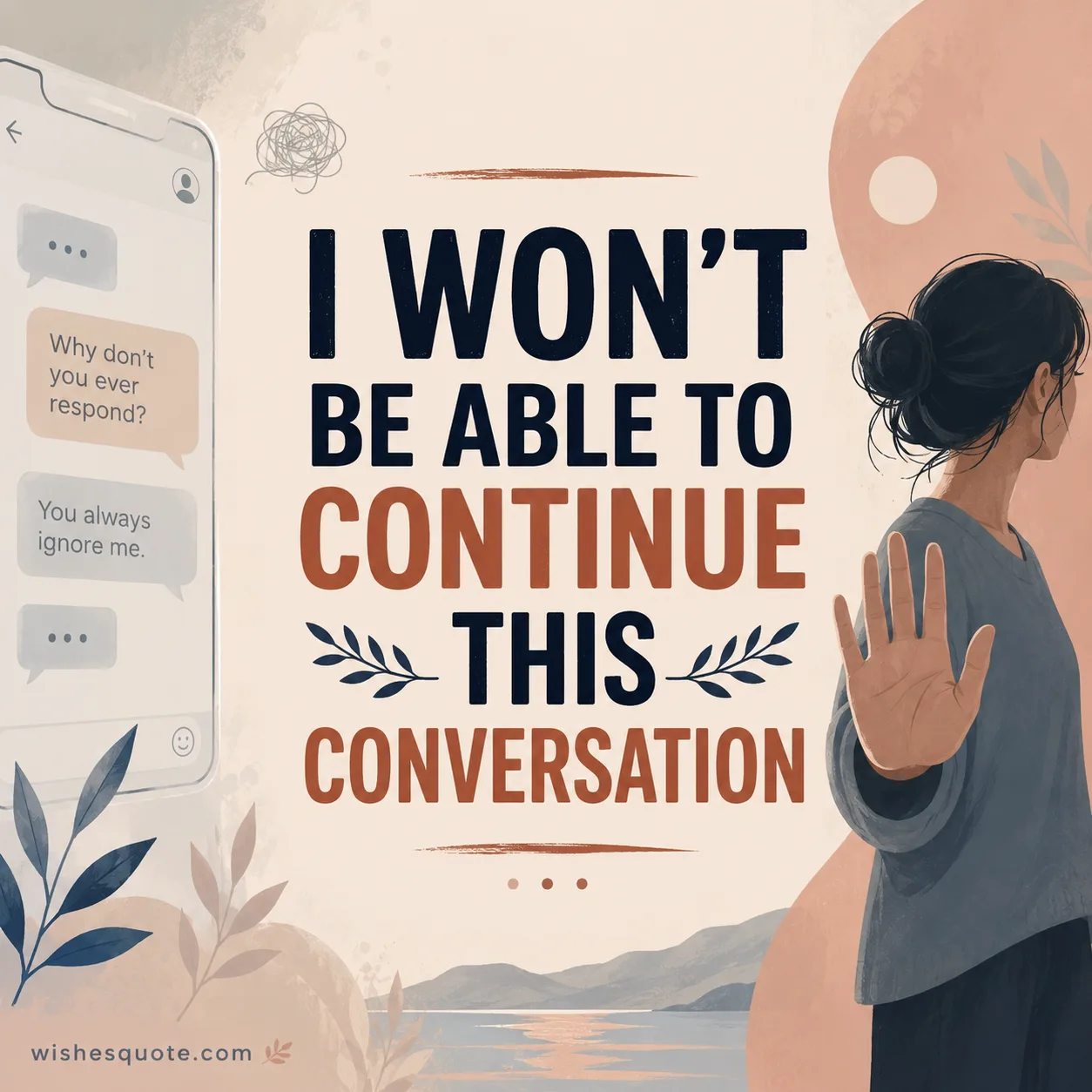
- I won’t be able to continue this conversation.
- I need to stop here.
- I’m not available to talk right now.
Short statements can actually feel more respectful because they eliminate ambiguity. They show confidence and clarity, which are key components of mature communication.
Discover More: Heartfelt Good Luck Messages For Surgery Today
Emotional But Respectful Ways To Say Goodbye
Some conversations carry emotional weight, especially when they involve close relationships or unresolved feelings. In these situations, your words matter even more. You want to be honest, but also compassionate.
Start by acknowledging the connection. Something like, “I value the time we’ve spent talking” sets a respectful tone. Then, gently express your need to step away. This combination helps soften the impact while still being clear.
Staying calm is crucial. Emotions can easily escalate, turning a simple goodbye into a conflict. Take a moment to collect your thoughts before speaking, and focus on maintaining a steady, composed tone. Think of it like steering a ship through rough waters; you don’t fight the waves, you guide through them.
Clear Ways To End Conversations Politely
Ending a conversation smoothly often follows a simple structure:
- Acknowledge the conversation
- Signal that you need to leave
- Close with a polite remark
For example: “It’s been great talking with you, but I need to get going. Take care!” This structure works because it mirrors natural conversational flow, making the exit feel less abrupt.
Non-verbal cues also play a big role. Small actions like stepping back, checking the time, or gathering your belongings signal that the conversation is ending. These cues reinforce your words and make the transition smoother.
Mature Ways To Handle Difficult Goodbyes
Maturity in communication isn’t about saying the perfect words; it’s about being honest, respectful, and consistent. When dealing with close relationships, it’s important to give a bit more context and empathy. You might need a longer conversation to explain your feelings, but the same principles still apply: clarity, kindness, and respect.
In more casual situations, you can keep things brief. A simple “I have to go now” is often enough. The level of detail should match the depth of the relationship.
The real mark of maturity is consistency. If you say you need space, follow through. Mixed signals can create confusion and undermine your message.
Common Mistakes To Avoid When Ending Conversations
Many people unintentionally make things harder by using ineffective strategies. One common mistake is over-apologizing. While it’s good to be polite, too many apologies can make your message seem uncertain or insincere.
Another mistake is giving false excuses. Saying you’re busy when you’re not might feel easier, but it can backfire if the truth comes out. Honesty doesn’t have to be harsh; it just needs to be clear.
Finally, avoid disappearing without explanation. Ghosting might seem like the easiest option, but it often leaves the other person confused and hurt. A simple, respectful message is almost always better.
Conclusion
Learning how to tell someone you don’t want to talk anymore is less about finding perfect words and more about understanding balance. You’re balancing honesty with kindness, clarity with empathy, and boundaries with respect. When you approach conversations with this mindset, ending them becomes much less stressful and far more natural.
At the end of the day, communication is a skill; and like any skill, it improves with practice. The more you practice setting boundaries politely, the more confident and comfortable you’ll become. And surprisingly, people tend to respect you more for it.
FAQs
1. Is it rude to tell someone you don’t want to talk anymore?
Not if you do it respectfully. Clear communication is often more considerate than avoiding the situation or ghosting.
2. What is the easiest way to end a conversation politely?
Use a simple structure: appreciation, reason, and closing. For example, “It was nice talking, but I need to go now.”
3. How do I tell a friend I need space without hurting them?
Focus on your feelings rather than their behavior. Say something like, “I need some time to myself right now.”
4. Should I give a reason when ending a conversation?
Yes, but keep it simple. A short, honest reason makes your message feel more natural and less abrupt.
5. What if the person doesn’t respect my boundary?
Repeat your boundary calmly and consistently. If needed, limit your responses or disengage completely.

Callen Virelli is a seasoned American content writer based in Spokane, Washington, known for crafting engaging and insightful articles that resonate with modern audiences. With over a decade of experience in digital publishing, Callen specializes in lifestyle, motivation, and meaningful messaging, contributing regularly to wishesquote.com. His writing blends clarity with authenticity, helping readers find the right words for every occasion while maintaining a strong focus on trust, relevance, and user value.